
Happy Chinese New Year

 
On Sunday, 14 February, we will celebrate the Chinese New Year and welcome the Year of the Tiger.  So many of our family were born in the Year of the Tiger , including me, so we think it's a special year. Tiger people are known to be loyal, courageous, enthusiastic and generous, but of course there are some negatives - selfish, excessive and impulsive. Anyway, all the Tiger members of our family are really wonderful people!  Like lots of other family celebrations, it's a time to prepare and eat lovely food, and just enjoy being  together.  Happy Chinese New Year! 

 
Exchange students preparing dinner at our place
Grandchildren visiting our place.

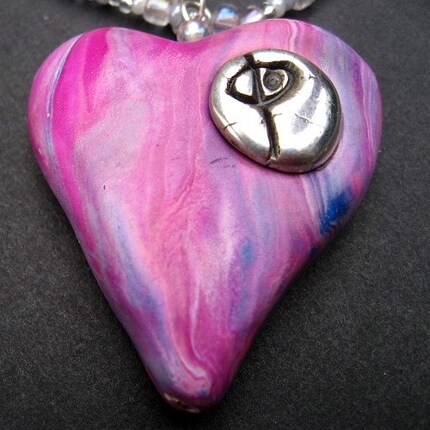
It will also be Valentine's Day on Sunday, so I wish you all a really wonderful day and am sending you all a big heart...
Please also remember that there are only a few days to enter the ONE WORLD ONE HEART giveaway . Just scroll down to the blog post entitles One World One Heart and leave a comment to win. These dragon fly creations are the prize.

Comments

  1. Happy Chinese New Year to you.
    Just letting you know Wilma, that http;??judysartdolls.blogspot.com is no longer existing.
    New Blog is
    http://judysfabrications.blogspot.com/
    Many thanks
    Judy

    ReplyDelete

Post a Comment

Thanks for reading my blog and please share your thoughts about my blog post by leaving a comment.Your comment won't appear immediately as comments are verified before publication in an effort to reduce the amount of spam appearing. Anonymous comments will not be published.

Popular posts from this blog

Fish and Sticks : Art Dolls

This week I've been working on fish and sticks ....  The sticks are the message stick art dolls which were very popular, attracting some attention and a few orders at the Wise Women exhibition. Each of the message stick dolls are from the Wise Women series, each with her own personality and  message of wisdom, handwritten on a handmade timber tag. I gather the sticks during my walks around my neighbourhood and the tags are made from special bits of timber, some collected by me or  my husband or from off cuts gifted to us  from another doll making friend whose husband makes bagpipes. These dolls start off very simply with a wrap around a stick, in the general shape of a body. 'Naked" message stick dolls - strips of wadding wrapped around found sticks.   Then I usually wrap other layers of fabric, wool, and/or fibres, over which I do some simple embroidery. I sculpt  or mould small face masks for these dolls. I really like using "sari ribbon" as w...

Fragments

 Some days are just your lucky days - today I was very fortunate and privileged to open the first ever Australian exhibition "Fragments" by  UK  Fibre Artist  Sue Hotchkis .  Here is a little about the techniques of this amazing textile artist from her own website  ...  Working intuitively with print and stitch, marks, textures and colours are exaggerated, intensified to reveal the detail and complexity within the images. Materials are deconstructed using modern methods, ripped, burnt and dyed. Time is invested in their reconstruction; pieces can take from a week to several months to create. Whilst being aesthetically pleasing the work can also act as a metaphor for deterioration and ruin, associated with urban decay and ultimately death and loss. They evolve organically, built up with layers of print, cloth, paper, and stitch into three-dimensional abstract forms that hover between object and image; to create a unique, visual and tactile lan...

"Temari Or Not Temari?" Tutorial

 Background Information:  Temari (literally translated “hand ball”) is a Japanese folk craft that is alleged to have originated in China and was introduced to Japan five or six hundred years ago. Traditionally, the balls were constructed from wrapped kimono fabric remnants and silk threads. They were made by mothers and grandmothers for children to play with. Nowadays, decorative embroidered temari represent a highly valued and cherished gift symbolizing friendship and loyalty. Recently I've wondered if your don't use traditional techniques whether you should call what you create "temari". That is an ongoing debate but today I share what I do to make a "non-traditional temari".... 1.I start  with a polystrene ball ( traditionally the balls were wound  silk scraps or other organic materials) and begin to wrap with approx 4 ply wool, turning the ball as I wrap.  2. I then wrap another layer of wool in a similar fashion , this time a 3 or 2 ...